
Unlocking the Secrets of the
Human Virome
Welcome to the Coordination Center for the National Institutes of Health (NIH) Common Fund supported Human Virome Program.
Mission
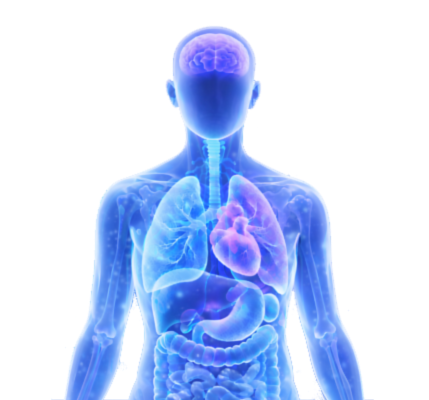
The human virome is a vast and complex collection of up to 10¹³ viral particles that live inside and on the human body. Apart from the relatively small subset of viruses that cause overt clinical disease, the majority of viruses remain largely understudied. The mission of the HVP is to comprehensively characterize the "healthy" human virome, enhancing our understanding of its role in human health and disease.
Initiatives
- Virome Characterization Centers (VCCs): to characterize the human virome in longitudinal, diverse cohorts across the lifespan
- Tools/Methods: to develop tools, models, and methods to experiment with and annotate the human virome
- Functional studies: to reveal the interactions between the human host and the virome
- Coordinating Center: to serve as the organizational hub for the consortium and provide coordination of data access and analysis
Data & Resources

The Human Virome Program (HVP) generates a wide range of datasets and analytical resources to support the study of viral diversity, dynamics, and host interactions across the human lifespan.
These data include metagenomic and viromic sequencing, host-associated molecular measurements, longitudinal cohort metadata, and derived computational products. Together, these resources are designed to enable cross-study comparisons, and integrative analyses of the human virome.